There is no one ‘right’ way for a Pyjama Angel to spend their hour of power with their young person. Reading, homework, or play are all valuable ways to build trust and support a child’s development.
Research shows that having a stable, caring adult relationship is one of the most powerful protective factors for children against the negative effects of trauma and disadvantage (Bari Walsh, 2015).
Pyjama Angel Mentors offer more than literacy and numeracy support; they offer a sense of belonging, encouragement and hope. Every story read, every goal achieved and every shared laugh helps rewrite the future of a child in care.
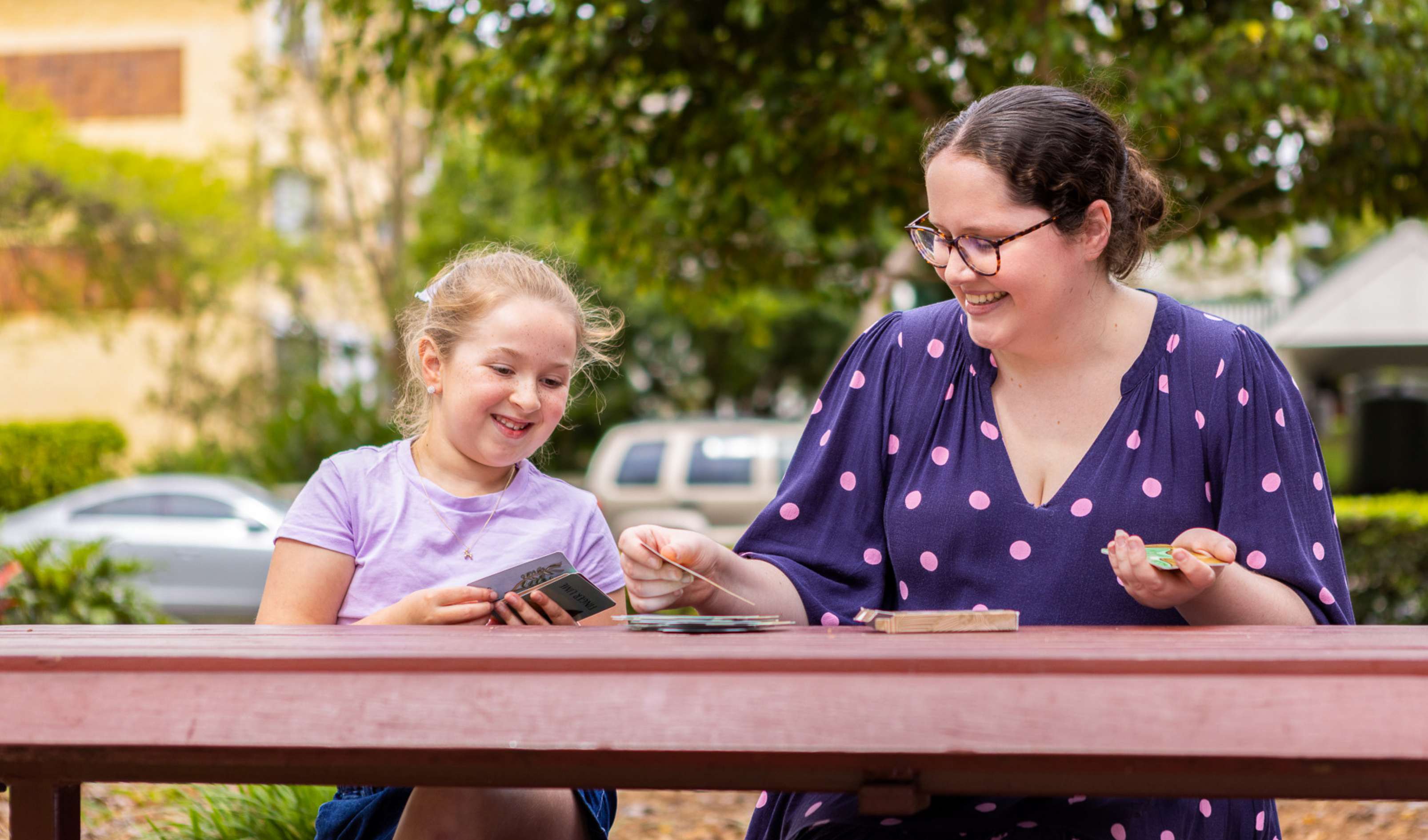
Early childhood trauma expert Beth Tyson wrote an article highlighting how fundamental play is for children’s minds. At The Pyjama Foundation we believe game of Uno is more than just fun— play helps children develop emotional regulation skills. In her article, Tyson explains that current neuroscience and child development research consistently shows child-led, unstructured play supports emotional regulation, problem-solving skills, attachment, and long-term wellbeing. These benefits extend beyond play itself, helping children feel safer, more confident, and better able to engage in learning over time.
The Pyjama Foundation’s own research and evaluation, conducted in partnership with the Queensland University of Technology (QUT) support this. Our 2025 IMPACT Report showed that a majority of children in our Program have fun with their Pyjama Angel (96%, as reported by the foster carer). In turn, foster carers report high rates of positive changes in the child’s behaviour or confidence (80%), as well as growing interest and engagement in reading (53%). This research and evaluation reinforces that when children are supported by consistent, caring adult in a fun and child-led environment, they become more confident, resilient, and engaged learners.

So, if your Pyjama Child prefers to spend the session playing card games, catching a ball on the lawn, or engaging in imaginative play, it’s incredibly valuable in helping them build the foundations they need to carry them through school and life.
Inspired by early childhood trauma expert Beth Tyson, we’re sharing some of her key trauma-informed play practices and how Pyjama Angels can bring these principles to life through PACE during their visit.

Tyson notes that some children may find free play challenging. In these moments, gently modelling play — such as quietly picking up a toy and beginning yourself — can invite connection without pressure. Often, children will join once they feel safe and curious.
We know that by engaging with our young people through PACE (Playfulness, Acceptance, Curiosity, and Empathy), we can model healthy and fun ways to engage in play. Young people who have experienced significant trauma are often still operating in “survival mode,” where the brainstem is driving responses, while the areas responsible for emotional regulation, creativity, and problem-solving are underdeveloped. Sometimes asking questions to develop the child’s curiosity, whether you leave the pause for them to consider or perhaps give the answer through play, will continue their development in a safe way. By bringing playfulness into our sessions, we can help children feel safe enough to engage in free play.
Tyson notes that some children may find free play challenging. In these moments, gently modelling play — such as quietly picking up a toy and beginning yourself — can invite connection without pressure. Often, children will join once they feel safe and curious.
We know that by engaging with our young people through PACE (Playfulness, Acceptance, Curiosity, and Empathy), we can model healthy and fun ways to engage in play. Young people who have experienced significant trauma are often still operating in “survival mode,” where the brainstem is driving responses, while the areas responsible for emotional regulation, creativity, and problem-solving are underdeveloped. Sometimes asking questions to develop the child’s curiosity, whether you leave the pause for them to consider or perhaps give the answer through play, will continue their development in a safe way. By bringing playfulness into our sessions, we can help children feel safe enough to engage in free play.
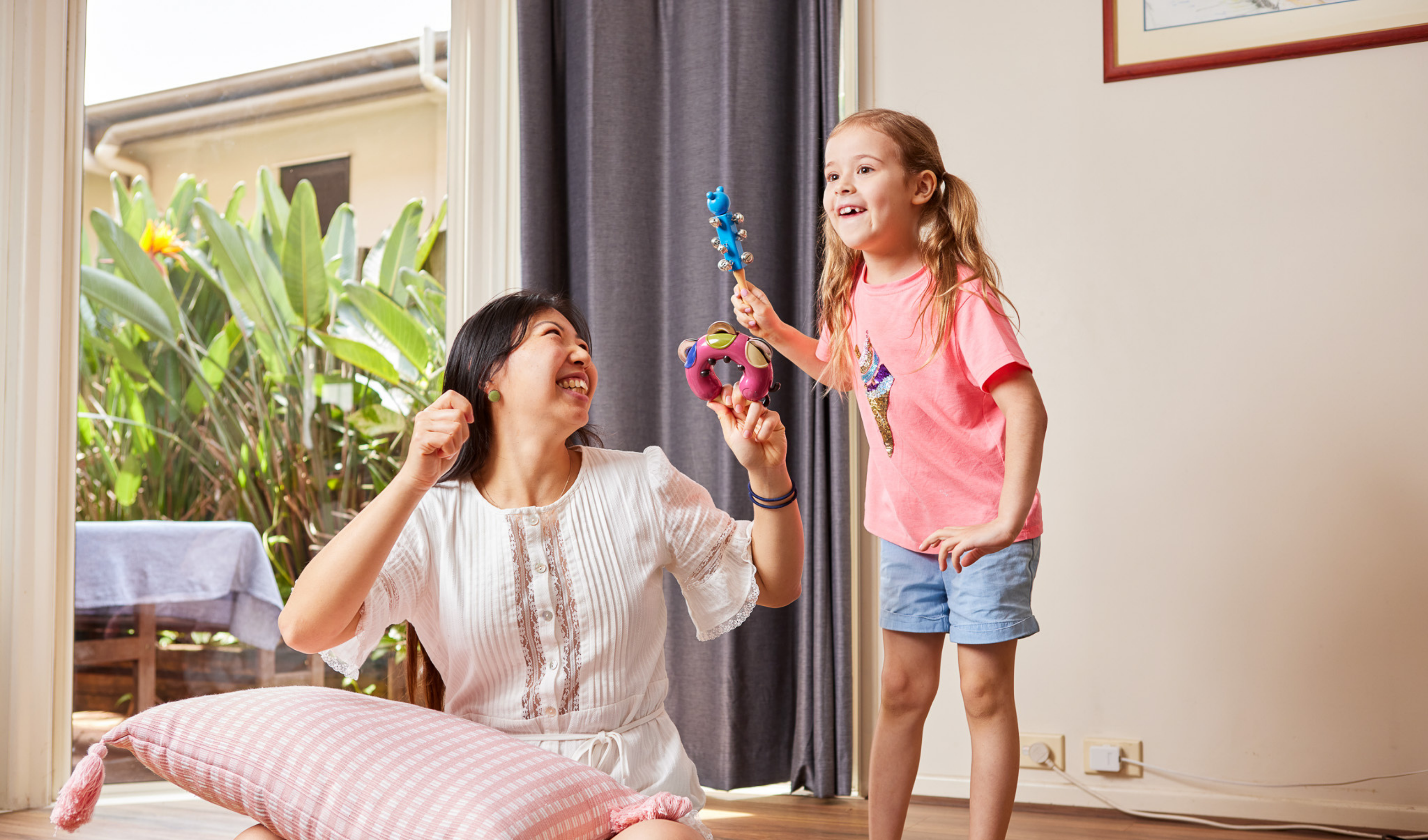
Tyson notes that some children may find free play challenging. In these moments, gently modelling play — such as quietly picking up a toy and beginning yourself — can invite connection without pressure. Often, children will join once they feel safe and curious.
Our PACE pillars of Acceptance and Empathy guide us in moments like these. By holding space for big feelings, children can explore experiences safely through play — removed from themselves personally and within a fictional context that feels safer to navigate. This is a key time to use ‘I wonder’ phrases. For example, if the child is playing a pretend game with a toy named Kitty, and exploring some intense scenarios: ‘It looks like that was really hard for Kitty. It looks like Kitty is sad.”
Tyson notes that some children may find free play challenging. In these moments, gently modelling play — such as quietly picking up a toy and beginning yourself — can invite connection without pressure. Often, children will join once they feel safe and curious.
Another insight from Tyson’s work is the importance of movement. Learning that incorporates the whole body — such as walking, stretching, or playful movement — can help regulate the nervous system and improve focus. Simple activities like moving across the room to collect cards or words can transform learning into a regulating and engaging experience.

And finally, our own tip for Pyjama Angels: Reflect on how every small interaction with your Pyjama Child is benefiting them. Taking a moment before or after each session to consider what they needed most — connection, choice, movement, or play — not only ensures you’re supporting them meaningfully, but also highlights the real difference you’re making.
Every story read, every game played, and every moment of connection matters. By approaching our sessions with Playfulness, Acceptance, Curiosity, and Empathy (PACE), Pyjama Angels help children feel safe, seen, and empowered. Whether your Hour of Power is filled with reading, learning, or play, you are making a meaningful difference, one connection at a time.
To read Beth Tyson’s full article on trauma-informed play, you can find it HERE.