What are Extracurricular Activities?
Extracurricular activities are non-compulsory activities that children do outside of school. Extracurricular activities can include sports, arts, community service or even joining a club. These activities promote creativity, learning, wellbeing, cultural connection,physical or mental health development. When children get involved with these activities they learn commitment, practice, and development of new skills.
Why are Extracurricular Activities important?

Exploring New Interests & Learning New Skills:
Children and young people have the chance to discover what they enjoy and experiment with new activities, which encourages curiosity, creativity, and lifelong learning.

Positive Academic Performance:
Extracurricular activities can enhance cognitive skills, concentration, and motivation, and help strengthen the brain in different ways.

Building Self-Confidence:
Mastering new skills, achieving goals, and receiving positive feedback boosts self-esteem. It can be finishing a book, scoring a goal, or performing in a school assembly. Each success encourages children and young people to believe in themselves.

Developing Social Skills:
Teamwork, communication, and cooperation can develop more easily when participating in group activities. These social skills help them to build friendships, navigate relationships, and feel more connected to others.

Supporting Mental Health & Managing Stress:
Extracurricular activities like sport, art, music, or spending time reading help reduce stress and support wellbeing by having an outlet for expression and relaxation.

Encouraging Personal Growth:
Children and young people learn valuable life skills that can be carried into adulthood like leadership, perseverance, responsibility, and problem-solving.
The Impact on Children and Young People in Out-of-Home Care
Extracurricular activities offer unique and powerful benefits for children in out-of-home care, who often face instability, disrupted schooling, and challenges with confidence and identity. These activities give them opportunities to achieve, learn, and receive positive reinforcement that can significantly strengthen resilience and self-esteem. They can build a sense of belonging by connecting with peers who share similar interests, reducing feelings of being “different” and supporting the development of a positive identity. Extracurricular activities can fill gaps that they may experience, offering stability, routine, and meaningful moments of success that can have a lasting impact on their wellbeing and future opportunities.
Activities Don’t Need to Be Expensive
Extracurricular activities don’t have to involve costly fees, uniforms, or equipment. Many can be done at home or in the community.
For example:
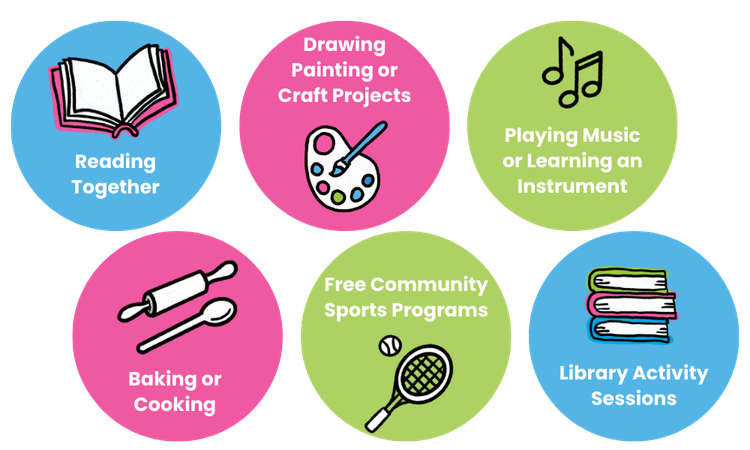
Extracurricular activities play a powerful role in helping children grow, learn, and thrive, especially those in care. They build confidence, strengthen social skills, improve wellbeing, and provide a sense of identity and belonging that every child deserves. Small and simple activities can have a meaningful impact, and Pyjama Angels can help with those activities. For example, reading together, drawing, kicking a ball in the backyard, cooking or baking together to support the child’s development. What matters most is the connection, encouragement, and shared moments. With little time and creativity, we can help children and young people in care discover new strengths, find new passions, and build foundations for their future.